

Why Indoor Plants Matter
So, you want to become a plant parent. Welcome to the club! There’s a reason everyone from college students to remote workers is filling their space with greenery. Indoor plants do more than just look pretty on Instagram (though, they do that very well). They purify the air, boost your mood, and honestly, watching a new leaf unfurl is one of life’s simplest, purest joys. Plants instantly make any home feel more cozy and alive.
But here’s the thing—if you live in dry, high-altitude Colorado, your plant care routine is going to look vastly different than someone living in humid, swampy Florida. Many “beginner plant” lists are written as if we all live in a perfect, temperate greenhouse bubble. We’re doing it differently today. This guide breaks down the best beginner plants and crucially how to adapt your care based on the different climate zones across the United States. Whether you’re battling icy drafts in Zone 5 or oppressive humidity in Zone 9, there’s a perfect plant for you.
Top 7 Easy-Care Indoor Plants (Zone-Specific Advice Included)
Here are the heavy hitters of the low-maintenance world. I’ve included a “Zone Note” for each to help you adjust expectations based on where you live.
1. Snake Plant (Sansevieria) – The Indestructible Icon

- Why it’s easy: This is the ultimate “set it and forget it” plant. It thrives on neglect and can handle low light.
- Zone Note: Zones 3-7 (Cold/Dry Winters): If your home uses forced air heat, the air is bone dry. Snake plants handle this beautifully. Just water even less frequently in winter—maybe once every 6 weeks. Zones 8-11 (Humid/Southern): Beware of overwatering. The ambient humidity means the soil stays wet longer. Ensure it’s in terracotta, not plastic.
2. ZZ Plant (Zamioculcas zamiifolia) – The Office Survivor
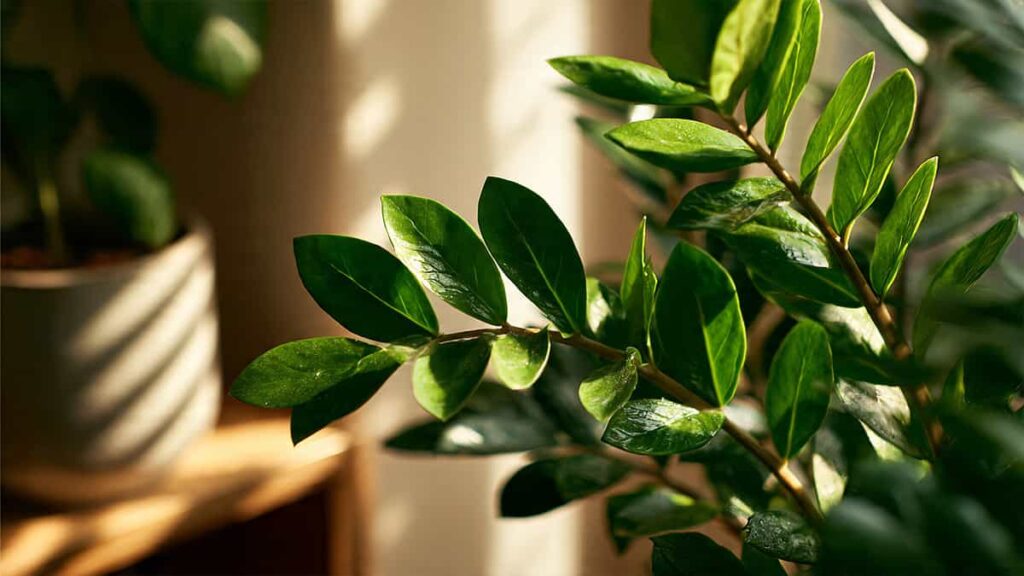
- Why it’s easy: Glossy, waxy leaves that look fake (but aren’t!). It stores water in potato-like rhizomes under the soil, so it can go a month without a drink.
- Zone Note: Zones 5-6 (Midwest/New England): Perfect for that dark corner of the living room where nothing else grows. Just be careful taking it home from the nursery in January—the 30-second walk to the car can cause cold shock. Wrap it up tight!
3. Pothos (Epipremnum aureum) – The Cascading Queen
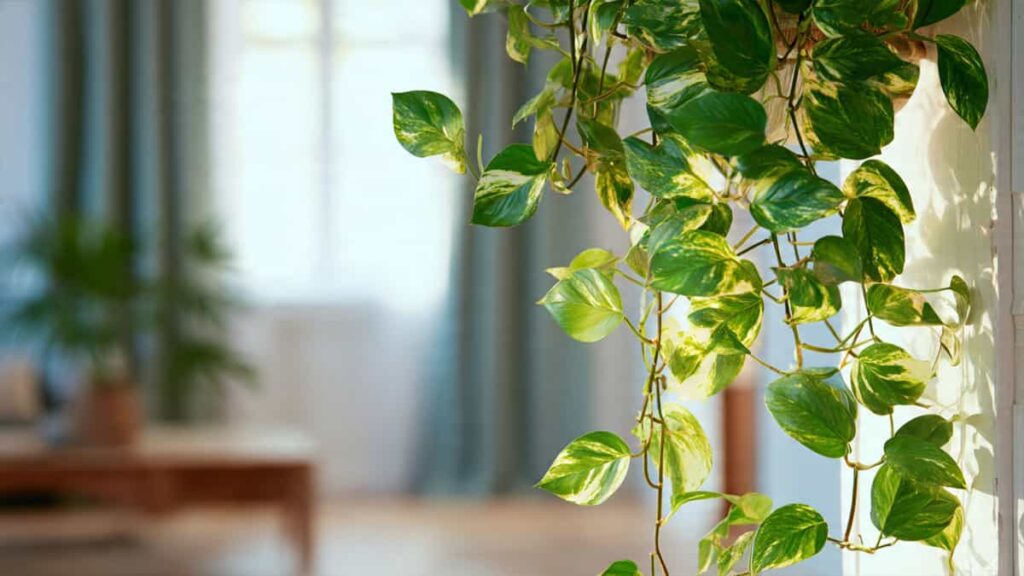
- Why it’s easy: This trailing vine tells you exactly what it needs. Droopy leaves? Water. Yellow leaves? Too much water. It’s the best plant for learning.
- Zone Note: Zones 9-10 (Southwest Desert): In low-humidity zones like Arizona or inland California, Pothos loves a weekly misting or being placed near a small humidifier to prevent brown leaf tips.
4. Spider Plant (Chlorophytum comosum) – The Gift That Keeps Giving

- Why it’s easy: It’s non-toxic to pets (mostly just hallucinogenic to cats, but safe) and produces “babies” you can propagate for friends.
- Zone Note: All Zones: Spider plants are dramatic about tap water. They get brown tips from fluoride and chlorine. This is universal. Use filtered water or leave tap water out overnight before using.
5. Peace Lily (Spathiphyllum) – The Drama Queen (But in a Helpful Way)

- Why it’s easy: When this plant needs water, it faints. The entire plant collapses like a Victorian lady with the vapors. Water it, and two hours later it looks brand new. It’s impossible to kill because it screams for help.
- Zone Note: Zones 4-6 (Northern States): Keep this one far away from drafty entryways in winter. A cold gust of -10°F air when the door opens will turn the leaves black overnight.
6. Philodendron Brasil – The Pop of Color

- Why it’s easy: Heart-shaped leaves with a lime green stripe. It’s just as easy as a regular Pothos but offers a more designer look.
- Zone Note: Zones 8-9 (Coastal South): This plant LOVES the natural humidity of a bathroom. If you’re in a humid zone, pop this on a shelf near the shower and watch it go wild.
7. Cast Iron Plant (Aspidistra elatior) – The Victorian Staple

- Why it’s easy: It’s literally named after cast iron because it can withstand temperature fluctuations, low light, and dust.
- Zone Note: Zones 7-10 (Temperate/Warm): This is the only plant on the list that can actually handle being on a covered porch in Zone 7/8 during a mild winter. It’s tough as nails.
Where to Place Plants at Home
Bright Indirect Light (Best for Pothos, Philodendron, Spider): East-facing windowsills or a few feet back from a South/West window.
Low Light (Best for Snake, ZZ, Cast Iron): North-facing rooms, hallways, or the middle of a room where the sun doesn’t directly hit the leaves.
Bathrooms (Best for Peace Lily, Ferns): If you have a window in your bathroom, this is the best room in the house for humidity-loving plants. The steam from the shower mimics their tropical home.
Watering & Light Basics
Forget the “water every Sunday” schedule. That’s the #1 cause of plant death.
The Finger Test:
- Stick your index finger into the soil up to the second knuckle (about 2 inches).
- If soil sticks to your finger and feels damp: DO NOT WATER.
- If your finger comes out dry and dusty: WATER THOROUGHLY.
Climate Zone Reminder: If you live in a dry zone (Mountain West, Desert SW), you’ll do the finger test and find dry soil much faster. If you live in the humid South or Pacific Northwest, that soil might stay damp for 10-14 days.
Common Mistakes Beginners Make
The Helicopter Parent: Overwatering. Roots need oxygen. If they sit in swampy mud, they rot. When in doubt, wait another day.
The Dark Dungeon: “Low light” doesn’t mean “No light.” If you can’t read a book in the room during the day without turning on a lamp, it’s too dark even for a Snake Plant.
Leaving the “Plug” In: Always take the plant out of the decorative pot to water it. Let the water drain fully out of the nursery pot’s holes before putting it back. Plants hate “wet feet.”
Repotting Too Soon: You just brought the plant home; it’s stressed from the car ride and the new light. Don’t repot it for at least 2-4 weeks. Give it time to settle.
Styling Plants for a Cozy Look
You don’t need a jungle to make an impact.
- The Solo Statement: One large Snake Plant in a woven basket next to a reading chair.
- The Mantel Cascade: Let a Pothos trail down one side of a fireplace mantel or bookshelf. Use a small clear command hook to guide the vine.
- The Trio: Group three plants of different heights together. Example: Tall Snake Plant + Medium ZZ Plant + Trailing Pothos. The variety in texture creates an instant focal point.
- Pot Power: Swap the boring plastic nursery pot for a simple terracotta pot (classic) or a ceramic cachepot in a solid color (cream or charcoal always looks chic).
A relaxing routine pairs perfectly with a calming green space.
Qs & Ans
Q: I live in Minnesota (Zone 4) and my apartment is so dry in winter. What should I do?
A: You have two options.
1) Stick strictly to Snake Plants and ZZ Plants which don’t care about humidity.
2) Get a small tabletop humidifier for any tropical plants. Grouping plants close together also creates a small micro-climate of humidity.
Q: Are any of these safe for cats?
A: The Spider Plant is the safest bet (cats are attracted to it like catnip but it’s non-toxic). Peace Lily and Pothos contain calcium oxalate crystals which can cause mouth irritation. Snake Plant can cause nausea. If you have a cat that chews everything, hang your Pothos and Snake Plants from the ceiling or place them on a high shelf.
Q: How do I know if I live in a dry or humid zone?
A:
- Dry Zones: Southwest (AZ, NM, NV), Mountain West (CO, UT, WY), High Plains.
- Humid Zones: Southeast (FL, GA, AL, LA), Gulf Coast (TX), Pacific Northwest (OR, WA coast).
Being a beginner plant parent in Zone 3 Maine is just as possible as being one in Zone 10 Florida. It’s all about understanding the micro-climate inside your home. Don’t beat yourself up if you lose a leaf or two. Plants are resilient. Start with a Snake Plant, master the finger test, and before you know it, you’ll be confidently adding a second plant to your collection.
Happy growing
Related Articles
10 Houseplants That Can Thrive in the Right Kitchen
